
The Power of Purpose
The Power of Purpose
Strengthening Feeding America's Supply Chain Through Innovation
Wednesday, November 5, 2025
Schreiber Center, 16 E. Pearson St., Room 908
Crissy Brosig—Director of Purchasing at Feeding America and graduate of the Master’s in Supply Chain Management program—joined our Seminar Series to share how her team’s supply chain strategy drives critical support for families across the country.
Food insecurity has increased for the second year in a row. 47 million people—including 13.8 million children—face hunger in the U.S. today, with the highest overall need in more than a decade.
A Growing Crisis
Despite the U.S. producing more than enough nutritious food, much of it doesn’t reach the families who need it most. As Crissy emphasized, “Hunger in America isn’t about having too little food—it’s a logistics issue. It’s about sourcing, distributing, storing, and moving food efficiently and equitably to communities across the country.”
The Feeding America Network
Feeding America is the largest hunger-relief organization in the United States, providing 5.9 billion meals last year and reaching communities in every single county. Loyola Seminar Series 2025.
Its nationwide network includes:
- 200+ food banks
- 60,000 partner pantries and meal programs
- 21 statewide associations & regional cooperatives
The organization also serves as a significant solution to food waste—rescuing 4.1 billion pounds of nutritious food from landfills through partnerships with grocers, manufacturers, farmers, and retailers.
Using Innovation to Defeat Hunger
Crissy explained how Feeding America is reshaping food sourcing and distribution using supply chain technology, cooperative buying programs, transportation optimization, and shared regional platforms. The centralized Grocery Purchase Program helps food banks reduce costs, secure predictable product availability, and streamline operations, allowing more resources to be directed directly to communities. Loyola Seminar Series 2025.
Technology also plays a central role: the Choice System and supplier portals ensure that donated food is matched to needs quickly and fairly across the country—removing inefficiencies and increasing access where the need is greatest.
A Loyola Alum Makes National Impact
Crissy’s leadership exemplifies how supply chain careers can create real-world social benefits. Her work demonstrates the power of innovative logistics to strengthen hunger relief, reduce waste, lower costs, and transform how food moves across the United States.
Thank You
We extend a special thank you to Rob Liss at MAKA Logistics for generously providing food and drink for the event.
We are grateful to Crissy Brosig for sharing her expertise and for reminding us that solving hunger is not just a charitable mission — it’s a supply chain challenge that demands smart strategy, innovation, and collaboration.
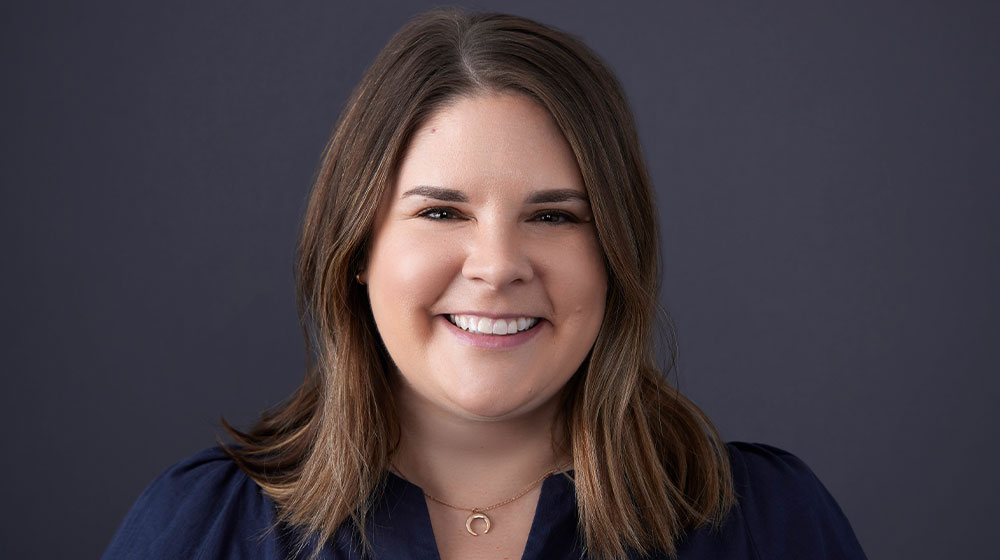
Meet the speaker
Crissy Brosig
Crissy Brosig has been part of Feeding America’s Supply Chain team since 2009, working across food donation operations, transportation, and purchasing programs that help food banks acquire essential goods. In her current role, she strengthens the network’s purchasing power by consolidating spend to maximize limited budgets. Crissy holds a BA from Columbia College and a master’s degree in Supply Chain Management from Loyola University Chicago.
Wednesday, November 5, 2025
Schreiber Center, 16 E. Pearson St., Room 908
Crissy Brosig—Director of Purchasing at Feeding America and graduate of the Master’s in Supply Chain Management program—joined our Seminar Series to share how her team’s supply chain strategy drives critical support for families across the country.
Food insecurity has increased for the second year in a row. 47 million people—including 13.8 million children—face hunger in the U.S. today, with the highest overall need in more than a decade.
A Growing Crisis
Despite the U.S. producing more than enough nutritious food, much of it doesn’t reach the families who need it most. As Crissy emphasized, “Hunger in America isn’t about having too little food—it’s a logistics issue. It’s about sourcing, distributing, storing, and moving food efficiently and equitably to communities across the country.”
The Feeding America Network
Feeding America is the largest hunger-relief organization in the United States, providing 5.9 billion meals last year and reaching communities in every single county. Loyola Seminar Series 2025.
Its nationwide network includes:
- 200+ food banks
- 60,000 partner pantries and meal programs
- 21 statewide associations & regional cooperatives
The organization also serves as a significant solution to food waste—rescuing 4.1 billion pounds of nutritious food from landfills through partnerships with grocers, manufacturers, farmers, and retailers.
Using Innovation to Defeat Hunger
Crissy explained how Feeding America is reshaping food sourcing and distribution using supply chain technology, cooperative buying programs, transportation optimization, and shared regional platforms. The centralized Grocery Purchase Program helps food banks reduce costs, secure predictable product availability, and streamline operations, allowing more resources to be directed directly to communities. Loyola Seminar Series 2025.
Technology also plays a central role: the Choice System and supplier portals ensure that donated food is matched to needs quickly and fairly across the country—removing inefficiencies and increasing access where the need is greatest.
A Loyola Alum Makes National Impact
Crissy’s leadership exemplifies how supply chain careers can create real-world social benefits. Her work demonstrates the power of innovative logistics to strengthen hunger relief, reduce waste, lower costs, and transform how food moves across the United States.
Thank You
We extend a special thank you to Rob Liss at MAKA Logistics for generously providing food and drink for the event.
We are grateful to Crissy Brosig for sharing her expertise and for reminding us that solving hunger is not just a charitable mission — it’s a supply chain challenge that demands smart strategy, innovation, and collaboration.